
Alpine Flower Hike
2010-06-01 18:10:25.000 – Mike Finnegan, IT Observer

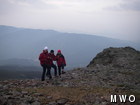
The Girls Above Central
Well, it’s June 1st and I haven’t yet made it out to the snowfields today. I woke up this morning to foggy conditions and not long after that, rain. I can only hope that it stops before August as I remember June and July being incredibly wet last summer. The rain was no surprise though and since we saw it coming, the entire crew went out for a hike yesterday evening. Knapper joined us down to the top of the east fields since he was on obs duty and couldn’t get away for long. Brian took his skis and made his first turns of the week on the fields, and Ryane, Becca, Hanna, and I took to the road down to Cow Pasture and dropped down to the top of Huntington Ravine from there. After peering down Central, we met up with Brian on the Alpine Garden Trail. We decided to make it a bit of a longer hike and went across the Alpine Garden and then up Tuck’s trail to the summit. Walking through the Alpine Garden, we spied many wee plants that have been hiding for many months now. They are around for such a short period of time, I did not want to miss them completely. Hopefully they will be out in full force by the time my next shift comes around. We all arrived back a bit after dinner, but it was worth getting out while we could and made dinner (which was breakfast) taste even better. At least the smoke had significantly dissipated by the time we were hiking.
Observer Footnote: Join us next weekend for our Annual Meeting dinner and presentation in Crawford Notch! Tickets will only be on sale until Friday, so make sure you buy them now so you don’t miss out!
Mike Finnegan, IT Observer
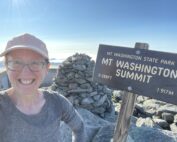
Hiker Safety
Hiker Safety By Fawn Langerman, Dave Fatula and Julie Saccardo USFS Trailhead Steward volunteering season has begun, and hiker safety is on my mind. Truthfully, hiker safety is always on my mind, but more
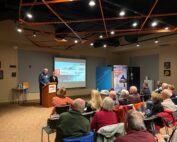
Watch Our 2026 Annual Meeting and Read About the Highlights
Watch Our 2026 Annual Meeting and Read About the Highlights By Drew Bush United States Representative Maggie Goodlander headlined Mount Washington Observatory’s 2026 Annual Meeting, and she set the tone right from the start.
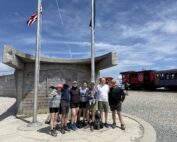
Seek the Peak Spotlight: The Middleton Family
Seek the Peak Spotlight: The Middleton Family By MWOBS Staff Every summer, the White Mountains offer no shortage of reasons to get outside. Trails stretch in every direction—endless miles of terrain, summits that each